Diabetic Eye Care
Affordable eye exams for patients with diabetes
Diabetic retinopathy can develop whether you have Type 1 or Type 2 diabetes. People with diabetes also have a higher risk of glaucoma, cataracts, and other eye problems.
Early detection and treatment is the best way for diabetic patients to protect their eyes and vision.
Both routine and medical eye exams conducted by a licensed optometrist are available at all Wisconsin Vision locations.
What is a diabetic eye exam?
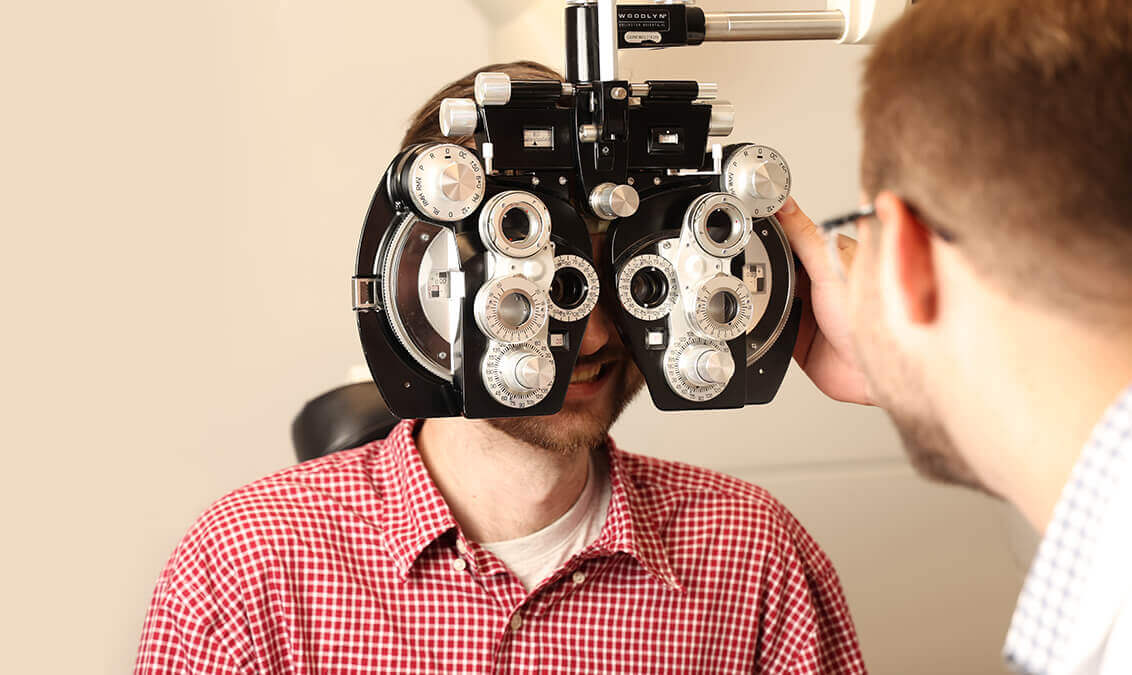
“Diabetic eye exam” is an informal way to refer to an eye exam for a patient with diabetes. The primary concern for patients with diabetes is a screening for diabetic retinopathy, which means a dilated retinal exam.
The retina is a thin layer of light-sensitive tissue at the back of your eye. The retina receives, organizes, and sends visual information to your brain so you can see. In people with diabetes, the blood vessels in the retina can be damaged by high glucose levels. Over time, the damaged blood vessels can cause vision loss.
Diabetic eye exam vs regular eye exam
Optometrists provide two types of eye exams, whether or not you have diabetes:
Routine eye exams are comprehensive annual exams including eye health assessment, vision testing, and a dilated retinal exam. Routine eye exams are for patients who don’t currently have any eye or vision complaints and just need a yearly check-up.
Medical eye exams are for patients who come to us for any reason other than a routine exam. Common reasons for irregular eye exams include eye pain, redness, sudden blurred vision, or other symptoms. Medical eye exams also include follow-up dilated retinal exams for patients with diabetes if their doctor recommended further evaluation after the annual exam.
Dilated or digital retinal exams
In a dilated retinal exam, the eye doctor uses eye drops to dilate your pupils, which gives a wider view of the back of your eye and keeps your pupils from shrinking when using bright light during the exam. Your eye doctor will use a magnifying device to examine the entire retina, optic nerve, and blood vessels.
In a digital retinal exam (aka retinal imaging) Optomap® technology takes a wide-angle digital image of the retina – no dilating eye drops are required. Optomap® images can be saved and compared against future scans.
Eye exams with Optomap® retinal imaging are available at the following Wisconsin Vision locations: Elm Grove, Milwaukee Layton, Franklin, Greenfield, Pewaukee, Racine, Janesville, Madison West, and Appleton
Depending on the results of your retinal exam, additional tests may be called for.
How often should people with diabetes get eye exams?
According to the ADA (American Diabetes Association), people with diabetes should have an annual eye exam to screen for diabetic retinopathy and other issues.
Type 1
Diabetes
People with Type 1 diabetes should have a dilated comprehensive eye exam within 5 years of diagnosis.
Type 2
Diabetes
People with Type 2 diabetes need a dilated eye exam as soon as possible after diagnosis. Because Type 2 diabetes develops slowly, by the time you’ve been diagnosed you could already have retinopathy.
Pregnant woman with Diabetes
Should have a dilated eye exam in the first trimester, and follow-up eye exams throughout the pregnancy and postpartum period as recommended by their eye doctor.
High Risk Individuals
Individuals with a high risk of diabetic retinopathy and other eye problems may need more frequent exams. The longer you’ve had diabetes, the greater the risk of complications. Having other health conditions, smoking, or failing to control blood sugar also increases your risk.

How much does a diabetic eye exam cost?
The cost of a diabetic eye exam depends on whether you’re having a routine or medical eye exam.
Routine Eye Exam
- Annual
- No eye health concerns
- Includes refraction (vision testing)
- Includes dilation (retinal exam)
- Typically covered by vision insurance
Medical Eye Exam
- As needed
- Chronic or acute eye health concerns
- Does not include refraction
- Includes dilation
- May be covered by medical insurance
Diabetic eye exam: optometrist or an ophthalmologist?
You can get a diabetic eye exam from either an optometrist or an ophthalmologist.
Optometrist: Eye doctor who provides primary vision care, including eye health examinations and vision testing.
Ophthalmologist: Medical doctor who specializes in eye care, including eye surgery.
Typically, diabetic eye exams cost more when performed by an ophthalmologist.
Wisconsin Vision optometrists can help diagnose, prevent and treat a wide range of eye problems. If specialized medical care becomes necessary, as in advanced cases of diabetic retinopathy, we’ll refer you to a qualified ophthalmologist.